











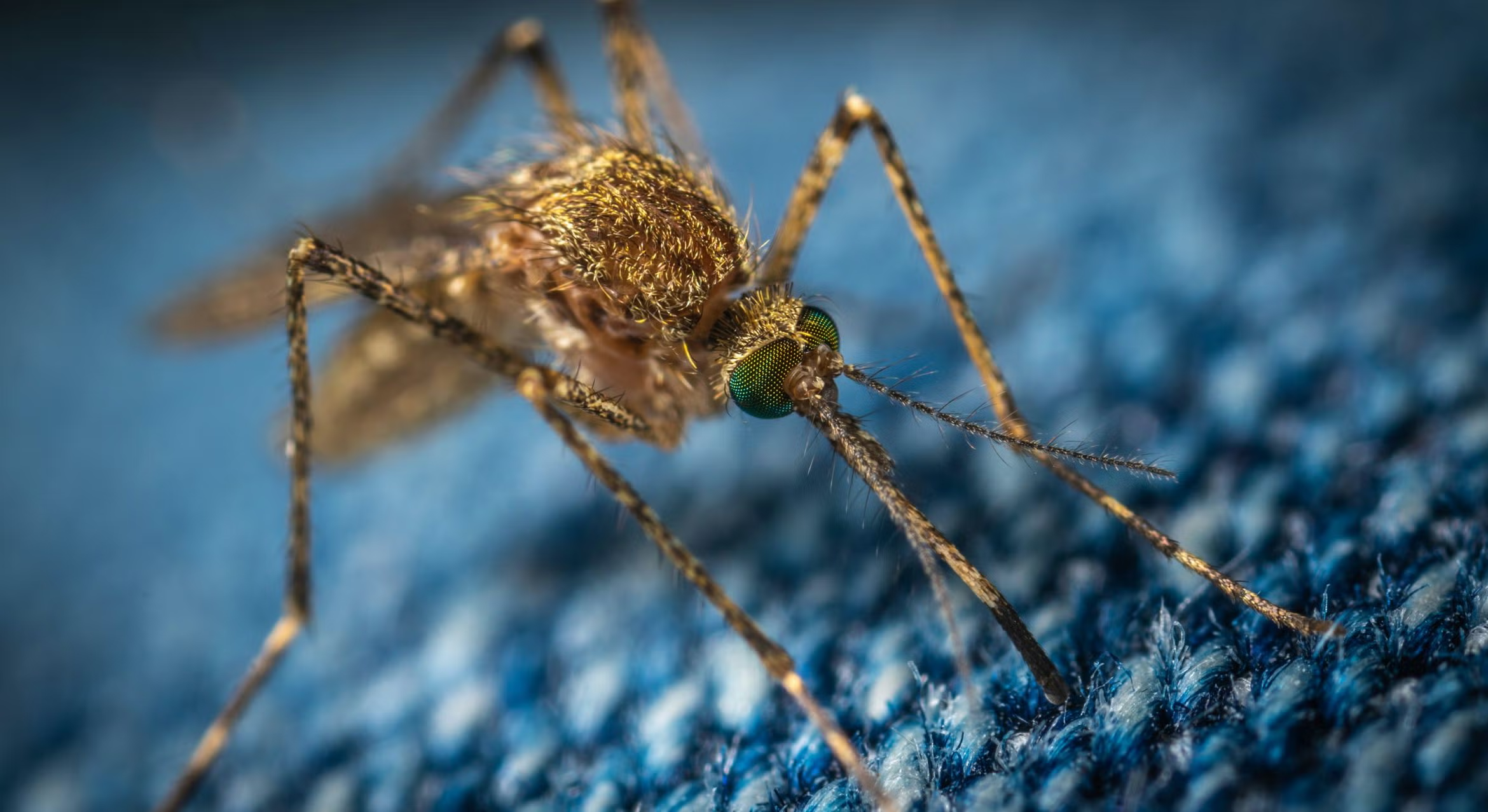
Mosquitoes are the most dangerous animals in the world. The diseases they transmit have spread death and misery since time immemorial. Aedes aegypti is a particularly treacherous mosquito because it infects many tens of millions of people each year with the viruses that cause dengue, Zika, yellow fever and other diseases.
Repellents like DEET are one part of a multi-pronged defense, driving the insects away with unpleasant odors or tastes. However, DEET only lasts a few hours, damages many synthetic materials in clothing and gear, and can cause irritation or headaches. Better understanding the receptor proteins that mosquitoes use to taste chemicals could lead to improved repellents.
A research team at UC Santa Barbara led by Professor Craig Montell identified the first known taste receptor in the mosquito gustatory system. The receptor detects fatty acids — a naturally occurring component of human skin chemistry — which seem to taste bad to the insects. The receptor, called “Painless1,” presents a promising target for a new class of safer, more effective mosquito repellent. The study, focused on the species Aedes aegypti, appears in the Proceedings of the National Academy of Sciences.
“We discovered that the taste of fatty acids on skin causes a stop-feeding signal, which depends on a type of receptor specific to insects and other arthropods,” said Montell, the Duggan Professor and Distinguished Professor of Molecular, Cellular and Developmental Biology. “So chemicals that turn on this channel may prevent biting without causing harm to people.”