











Key findings include:
● Risk is most concentrated in the western United States, with additional hotspots emerging in Oklahoma, Arkansas and along the southeastern coast.
● Buildings and historic districts — which account for 90% of all listed resources — likely face particularly acute risk, because their cultural value is inseparable from their physical form. Destroy the structure, and the heritage is gone with it.
● Nationally significant sites face disproportionately high wildfire exposure relative to state and locally significant ones, meaning America’s most important historic places are among its most vulnerable.
● In California, New Mexico, Colorado and Oklahoma, the concentration of at-risk sites is especially acute.
● Climate change is expected to expand wildfire hazard zones, putting sites in previously lower-risk regions increasingly in the crosshairs.
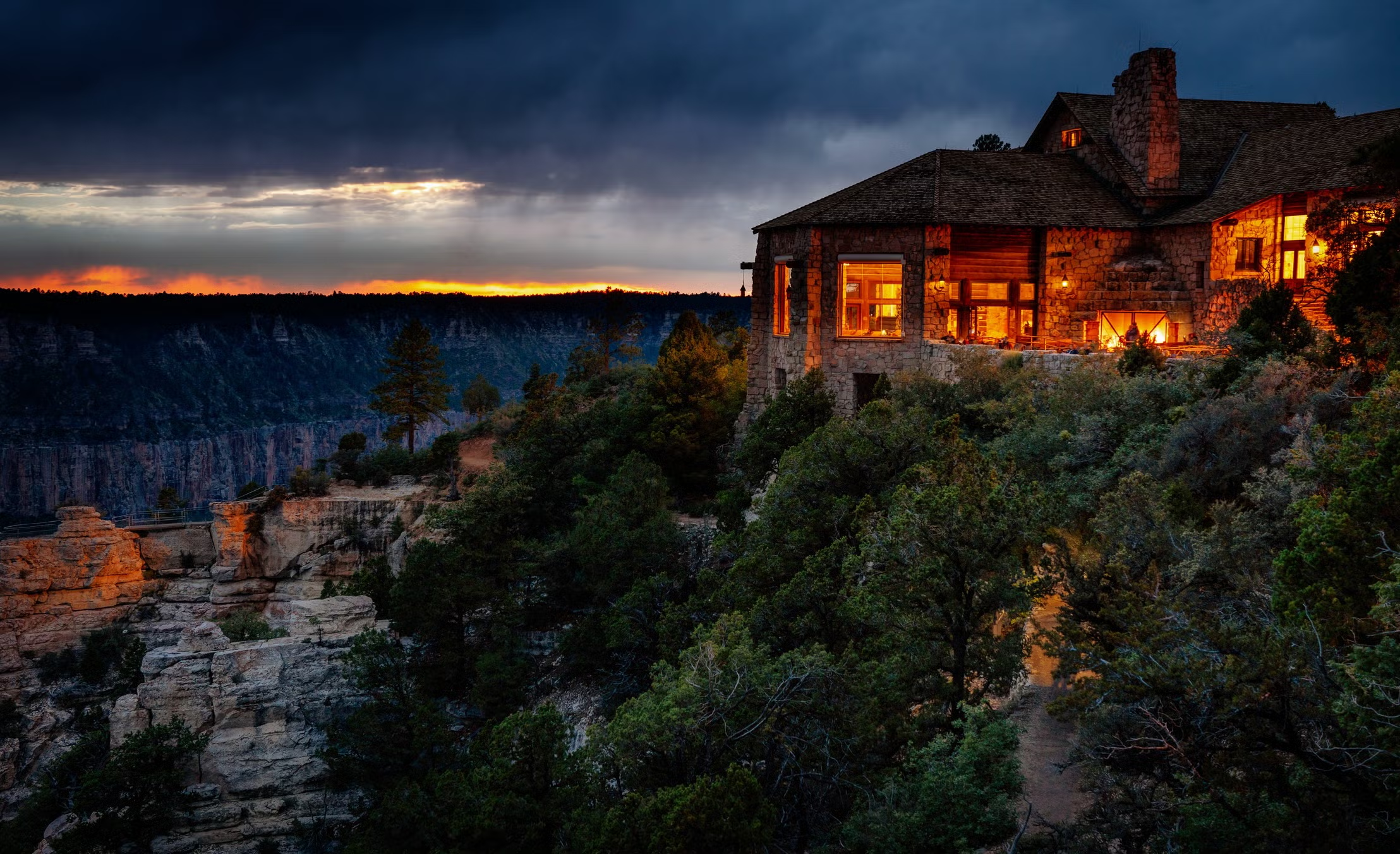
The Will Rogers Ranch House and Grand Canyon Lodge offer a sobering glimpse of what’s at stake. Rebuilding portions of the Will Rogers site is projected to cost $5.1 million, with key historic elements that were evacuated now guiding reconstruction efforts. The future of the Grand Canyon Lodge, which had already been rebuilt once after a 1932 fire, remains undecided.